
Sanctuary as Sacrament
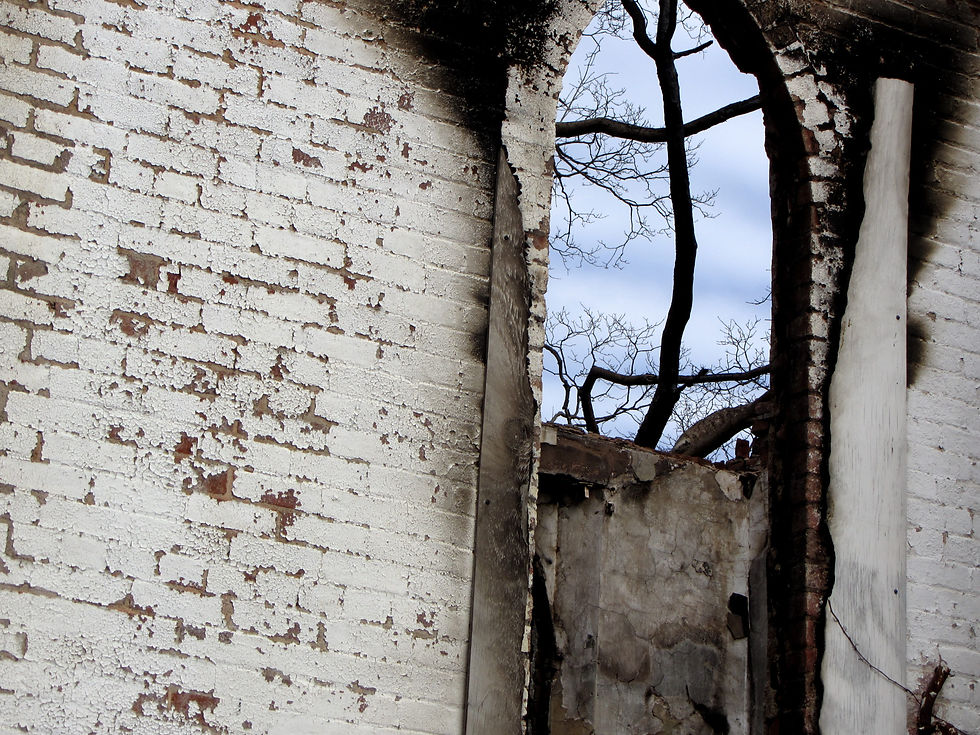
One of the oldest memories of the church is the memory of the church as sanctuary. By my own theological reckoning, one of the most sacred sacraments is that of sanctuary. It may not be an official sacrament, but some things are holy beyond all official bounds. There are times when providing sanctuary is to provide a way for individuals at risk to survive for one more day. There are few actions more sacred that a church can undertake than to open its doors to shelter the people from harm.
In case you are not familiar with the concept of sanctuary, let me briefly explain. The practice of a church providing sanctuary goes back to Emperor Theodosius I in the 4th century C.E. A person could claim sanctuary by entering a church and claiming the legal right of sanctuary, thereby escaping imprisonment or even death. Over time churches provided shelter for those seeking to escape the reach of secular authorities, disease, dangerous weather, or even invading armies. This is one of the reasons why, up until the last century, churches often remained unlocked, there was to be no impediment to the ability to seek sanctuary.
The 1980s saw a revival of the practice of sanctuary during the sanctuary movement when churches in multiple states housed Central American refugees. This movement included Catholic, Protestant, UU, and Jewish congregations among others. These houses of worship acted not under the protection of law, but through moral authority.
At her best, the church in the world is an undomesticated sacred space of dangerous memory that reminds us that beyond any state or law, our ultimate fidelity is to God, which is realized through love of our neighbor. When asked which commandment is the most important, Jesus, quoting the Torah referenced by the Shema, replies: “The most important one,” answered Jesus, “is this: ‘Hear, O Israel: The Lord our God, the Lord is one. Love the Lord your God with all your heart and with all your soul and with all your mind and with all your strength.’ The second is this: ‘Love your neighbor as yourself.’ There is no commandment greater than these.” Mark 12:29-31 (NIV)
The history of the church as sanctuary is embedded in our collective unconscious. It is why police and other civil authorities are often hesitant to raid or break into and defile houses of worship.
During the racial justice uprisings of 2020, I along with several hundred other protesters sought and received sanctuary in a Unitarian Universalist church after days of being threatened, harassed, and assaulted by militarized police. A curfew was imposed sundown to sunup, and the only way to avoid arrest was through the sanctuary offered by a local UU church.
Despite following the guidelines of the curfew, the church was surrounded by police and National Guard who claimed they were going to storm the church. I will never forget sitting in the sanctuary watching the blue and red flashing lights of dozens of police vehicles through the stained-glass windows. They never entered the building however, and all who stayed inside were safe until dawn.
Not because I am brave, but because it is my calling, I have also been the pastor refusing to allow the police to enter my church. I have been the pastor blocking the door of the church with my body to prevent an armed angry man from entering. And I have spent years working alongside dozens of volunteers to provide hospitality night after freezing night to keep my neighbors out of the death grip of the cold. This is church too. Sanctuary is the very essence and calling of the church in the world. Providing sanctuary may well be the business of government, but I know that it is the business of the church. This week a church in Charlotte, NC was raided by ICE agents inflicting terror and tearing apart families, as church members were simply doing yard work. Religious leaders cannot be silent in this moment. We must be sanctuary. We must be prepared to open doors to our brothers and sisters, and block our doors from harm. If not this, what has God made us for?
Originally published in the Bennington Banner

Comments